Nobel Peace Prize 2025: María Corina Machado, Honoring Courage, Democracy, and Peace in Venezuela
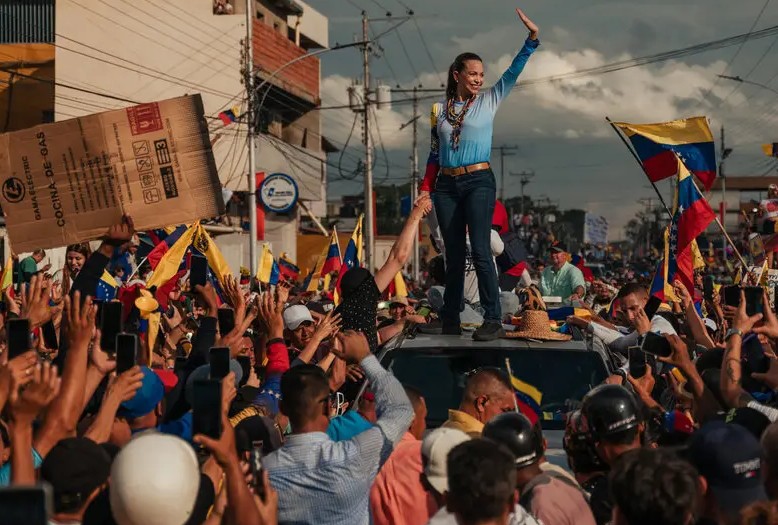
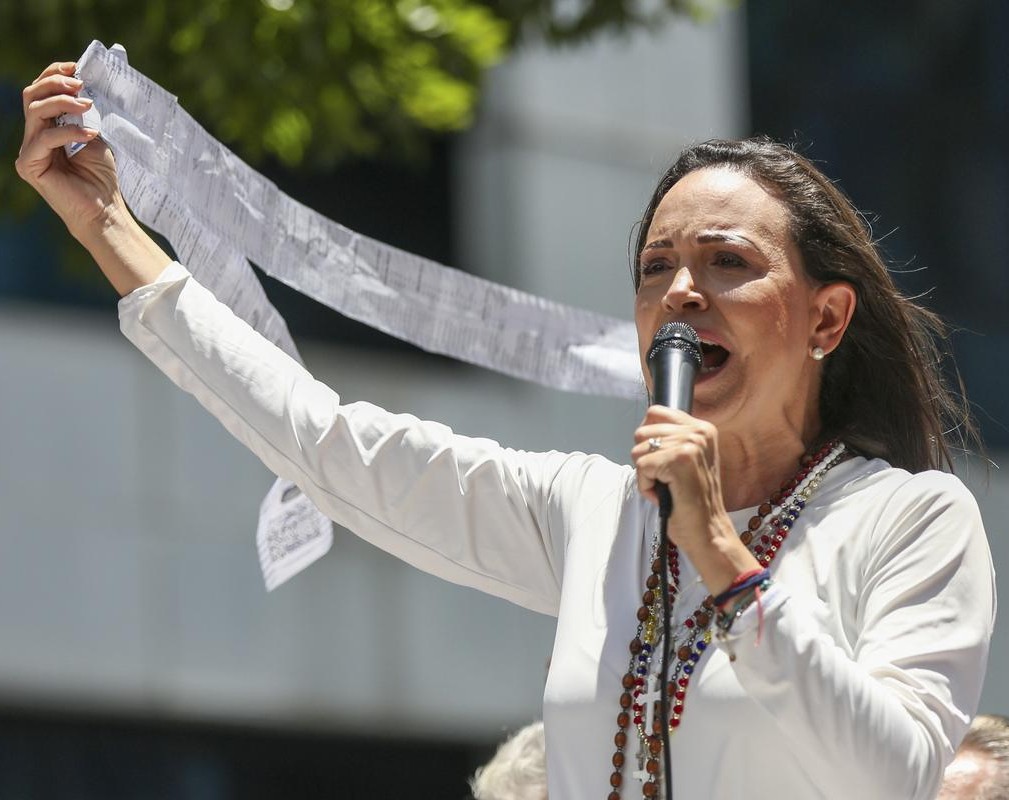
The 2025 Nobel Peace Prize has been awarded to María Corina Machado, a Venezuelan opposition leader and human rights advocate known for her tireless efforts to promote democracy and peaceful political change in one of the most challenging and repressive environments in the world. Machado’s courageous activism, particularly her work advocating for a peaceful transition from dictatorship to democracy amidst severe political repression, has earned her global recognition. Despite facing personal risks, including being forced into hiding, she has remained a beacon of hope for Venezuelans striving for freedom and justice. Her award shines a spotlight on the ongoing struggle for democracy in Venezuela and the vital role of peaceful resistance in the fight against authoritarianism.
Origin and Importance
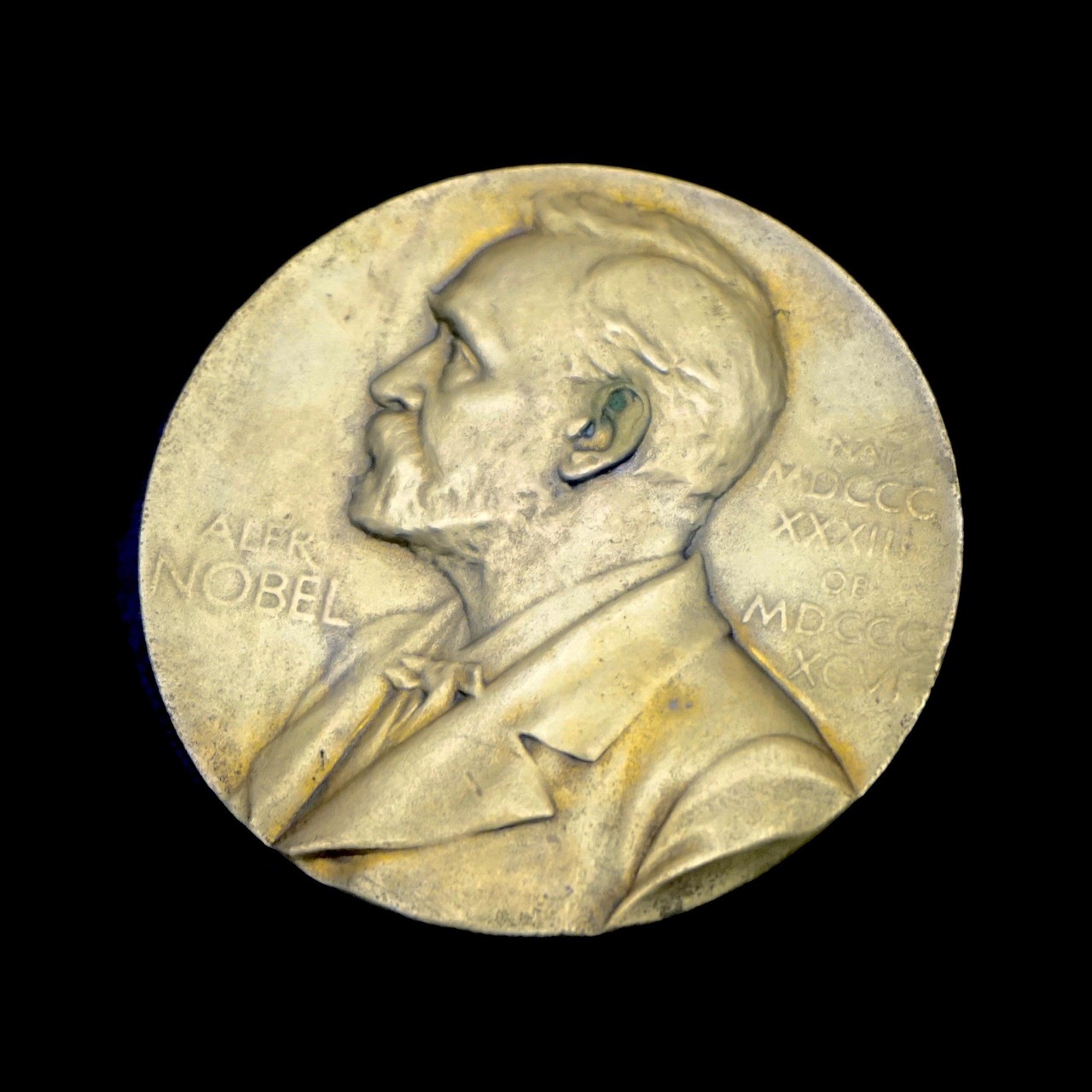
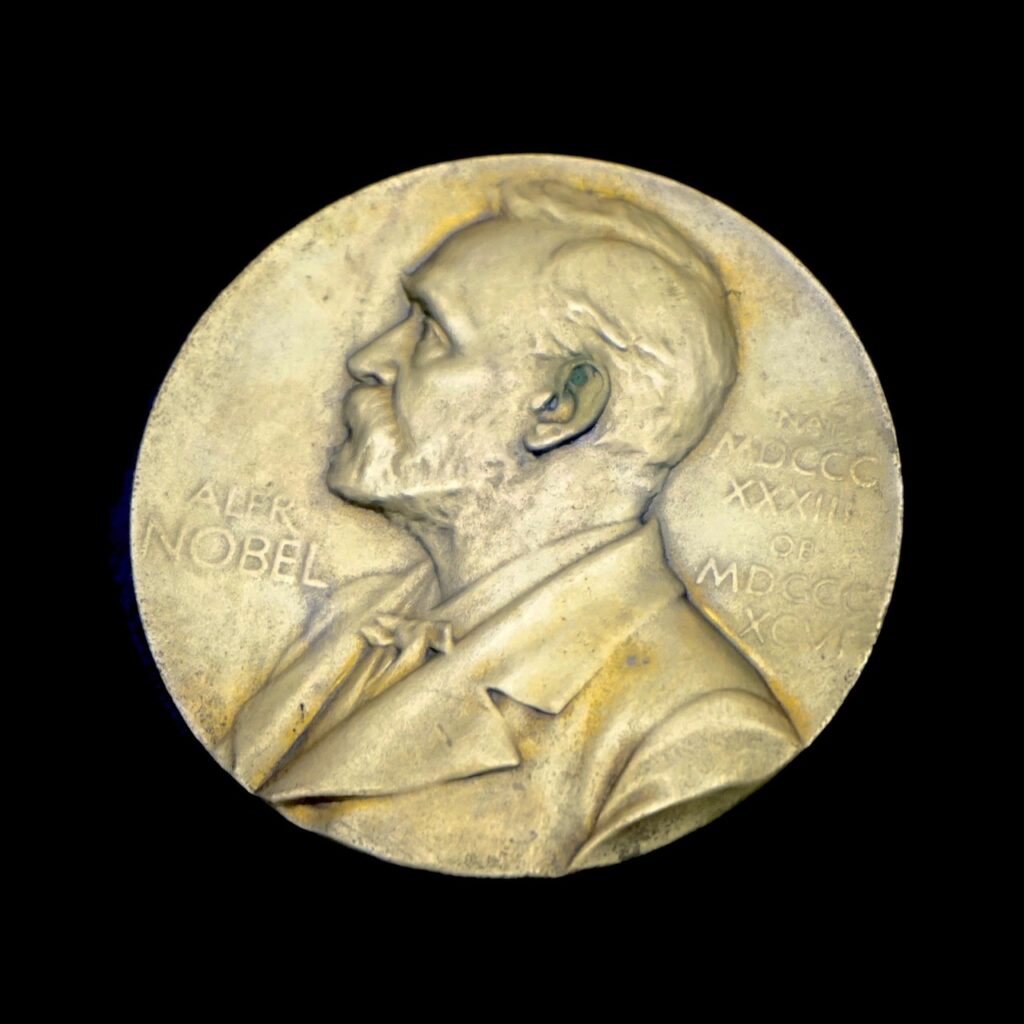
Alfred Nobel established the Nobel Peace Prize in 1895 to recognize those who promote fraternity among nations, reduce military forces, and advance peace conferences. The Norwegian Nobel Committee, appointed by Norway’s Parliament, consistently selects laureates who have made outstanding contributions toward global peace, diplomacy, disarmament, and humanitarian relief. Awarded annually since 1901, the prize symbolizes hope and encourages peaceful conflict resolution worldwide.
Norway hosts the award ceremony in Oslo, maintaining the tradition distinct from the other Nobel Prizes administered in Sweden. This unique arrangement underlines Norway’s strong commitment to peace efforts globally.
A Historical Overview
Over its long history, the Nobel Peace Prize has been bestowed on remarkable figures and organizations whose contributions have ranged from pioneering humanitarian work to landmark political achievements. Here are some landmark recipients and their key achievements:
| Year | Laureate(s) | Country | Contribution |
|---|---|---|---|
| 1901 | Jean Henri Dunant | Switzerland | Founded the International Red Cross and inspired the Geneva Conventions. |
| 1964 | Martin Luther King Jr. | USA | Led the peaceful civil rights movement advocating racial equality. |
| 1979 | Mother Teresa | India | Dedicated life to serving the poorest through Missionaries of Charity. |
| 1993 | Nelson Mandela & F.W. de Klerk | South Africa | Fostered peaceful end to apartheid and democratic transition. |
| 2009 | Barack Obama | USA | Promoted international diplomacy and cooperation. |
Each laureate’s legacy has left an indelible mark on the struggle for peace and justice, inspiring future generations to continue pushing for a more equitable world.
The 2025 Nobel Peace Prize: María Corina Machado’s Courageous Stand
The 2025 Nobel Peace Prize honored María Corina Machado, a Venezuelan opposition leader and human rights advocate. Against a backdrop of political unrest and repression, Machado’s steadfast commitment to democracy and peaceful change has made her a symbol of resistance in Venezuela. Born in 1967, she founded the Atenea Foundation, which focuses on children’s welfare, and was actively involved in electoral monitoring through the organization Súmate. Serving in Venezuela’s National Assembly, she courageously challenged the authoritarian regime until her expulsion in 2014.
Despite political persecution that even barred her presidential bid in 2024, Machado remained a unifying figure for Venezuelan opposition forces, championing a peaceful democratic transition. The award came at a time when she was reportedly in hiding for her safety. Machado dedicated her Nobel Prize to the Venezuelan people, celebrating their resilience and quest for freedom. Her recognition underscores the prize’s ongoing relevance in supporting voices fighting oppression and advocating for human rights under perilous conditions.
US President Donald Trump and the Nobel Peace Prize Debate
The 2025 Nobel Peace Prize announcement was accompanied by notable controversy surrounding President Donald Trump, who had publicly positioned himself as a candidate eligible for the prize. Trump, who has touted some international peace initiatives during his presidency, was ultimately passed over by the Norwegian Nobel Committee in favor of Machado.
The White House reacted strongly, accusing the Nobel Committee of politicizing the prize and undermining peace efforts by excluding Trump. The debate highlighted the increasingly complex interplay between politics and peace recognition in today’s era, with some viewing the prize as reflecting political bias rather than purely meritocratic decisions.
Machado acknowledged support she received from President Trump’s administration, particularly in backing Venezuelan democracy advocates, even as the broader political discussion was charged. This episode reflects how the Nobel Peace Prize continues to be a domain where global political narratives intersect with genuine peace activism, stirring passionate responses worldwide.
The Enduring Legacy
The Nobel Peace Prize continues to inspire humanity’s pursuit of justice, solidarity, and peace. From Alfred Nobel’s vision to the stories of countless laureates, the prize motivates peaceful conflict resolution. The 2025 award to María Corina Machado reaffirms this mission by highlighting the bravery required to defend democracy under authoritarian threat.
Though politics occasionally surrounds the prize, it remains a powerful symbol of hope, encouraging worldwide efforts to turn peace from an aspiration into reality.