
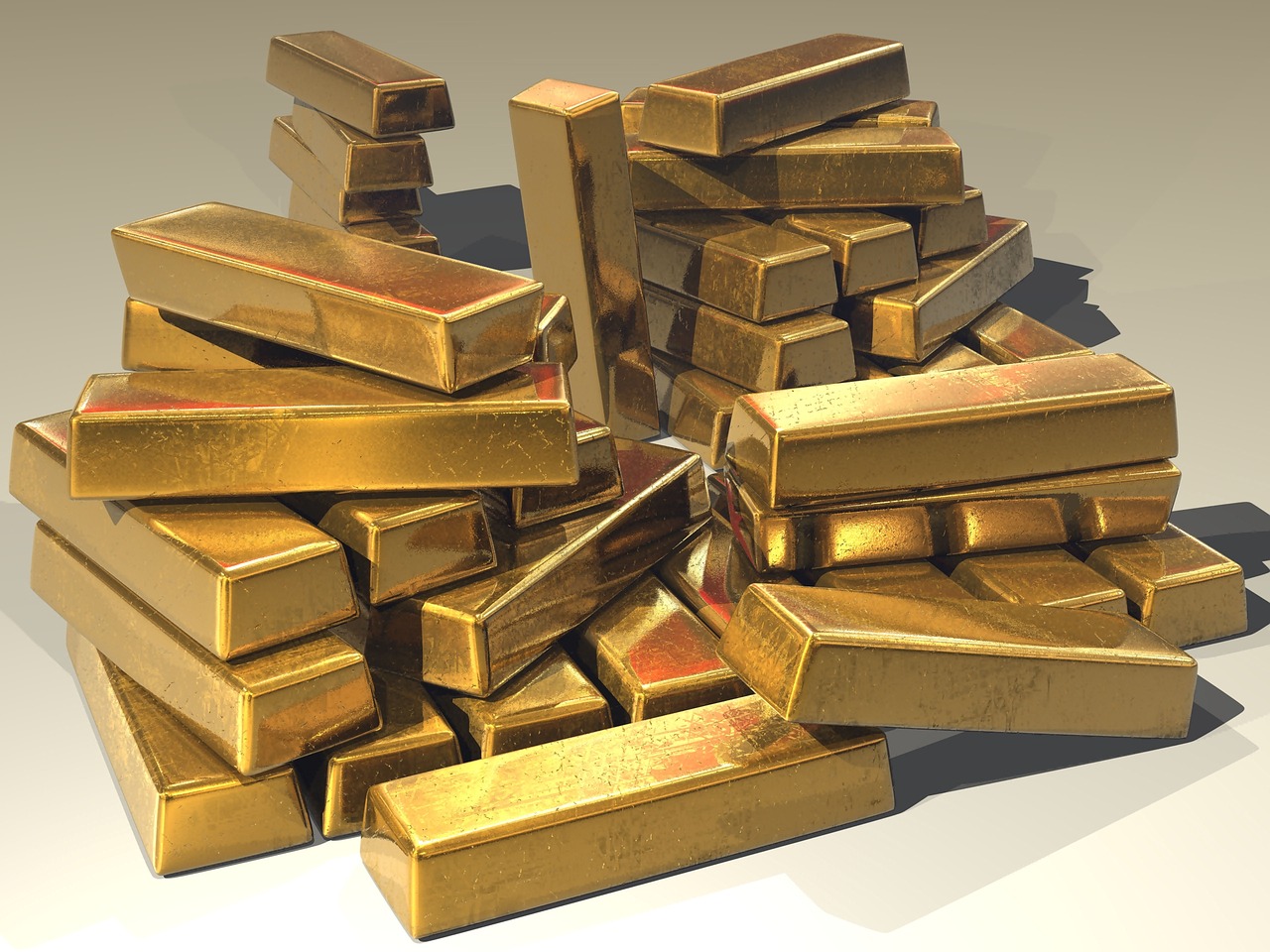
Gold Price in India: Record High in 2025
From the gleam of temple idols to the shimmer of bridal sets, gold’s presence in India is more than material — it is symbolic, emotional, and perennial. Across centuries, gold has served as a hedge, a display of status, a family heirloom, and a ritual necessity. In 2025, gold’s value is being tested like never before: prices are ascending into uncharted ranges, forcing buyers, sellers, and institutions to recalibrate. Gold has typically been a refuge in turbulent times—with inflation, geopolitical risk, and currency volatility pushing investors toward the yellow metal. But in India, gold also intersects with culture, social norms, and household financial planning in a way no other asset class does. Thus, the 2025 Gold Price surge is not just a financial phenomenon — it is a societal event.
This analysis explores three broad arcs:
(1) What’s driving the runaway gold prices;
(2) How Indian consumers, businesses, and cultural practices are adapting; and
(3) What the future may hold for India’s “golden equilibrium.”
Gold Price Journey: From Modest Beginnings to Historic Peaks
Long-Term Climb
To appreciate the 2025 peak, one must look back. From modest levels in earlier decades, gold’s price in India has seen a relentless upward trajectory.
| Year | Approx. Gold Price (₹/10 g) | Silver Price (₹/kg) | Key Notes |
|---|
| 1990 | ₹ 3,200 | ₹ 6,400 | Lower demand, limited financialization |
| 2000 | ₹ 4,400 | ₹ 7,900 | Liberalization era, rising incomes |
| 2010 | ₹ 18,500 | ₹ 30,300 | Post-global crisis inflation |
| 2015 | ₹ 26,300 | ₹ 34,400 | Festival & wedding boom |
| 2020 | ₹ 48,650 | ₹ 62,500 | Global slowdown, stimulus era |
| 2023 | ₹ 65,330 | ₹ 68,000 | Post-COVID recovery |
| 2024 | ₹ 77,913 | ₹ 87,500 | Increasing financialization |
| 2025* | ₹ 1,25,280 | ₹ 1,60,000 |
Two key trends emerge:
- Exponential growth — gold has compounded over decades.
- Crisis-linked spikes — every major macro shock accelerates price jumps.
Gold Price 2025 Breakout: What the Data Says
In 2025, gold’s rise has been sharper and faster than before.
- Gold prices in dollar terms rose nearly 26% in the first half of the year.
- Indian domestic spot prices climbed about 23% year-to-date.
- Jewellery demand dipped roughly 10% as buyers deferred purchases.
- Investment demand stayed robust, with strong inflows into ETFs, bars, and coins.
- India’s total gold demand is expected around 600–700 tonnes — a five-year low.
- Yet, gold ETFs in India crossed US$10 billion in assets under management — a record high.
The story of 2025 is clear: jewellery demand softens, investment demand strengthens.
Why Gold? The Forces at Play
Gold’s rise is driven by intertwined global and domestic factors.
Global Catalysts
- Geopolitical uncertainty: Ongoing conflicts, trade disruptions, and market volatility push investors toward safe-haven assets like gold.
- Monetary policy shifts: Rate cuts and low yields globally make gold more attractive than fixed-income instruments.
- Dollar weakness and inflation: A declining dollar raises commodity prices worldwide, while inflation erodes purchasing power.
- Supply constraints: Logistics challenges and higher premiums on physical gold inflate costs.
Indian Domestic Drivers
- Rupee depreciation: A weaker rupee inflates import costs, directly raising domestic gold prices.
- Import duties and taxes: India’s import dependence amplifies cost sensitivity to duty changes.
- Cultural demand: Weddings, Diwali, Dhanteras, and Akshaya Tritiya sustain baseline demand.
- Digital inclusion: Fractional and digital gold platforms attract new buyers.
- Weight compression: Consumers shift to lighter ornaments and lower purities.
- Gold loans: Rising gold prices expand lending opportunities and liquidity access.
- Fintech innovation: Digital vaults and fractional gold purchases make investment easy and accessible.
How Indian Households & Consumers Are Responding to Gold price Surge
Jewellery Trends
- Shift to lighter, minimalist designs to maintain aesthetics at lower costs.
- Preference for branded, hallmarked jewellery over unverified sellers.
- Increased focus on craftsmanship and design rather than just gold weight.
- Gifting evolves: Digital gold, coins, and symbolic ornaments replace heavy sets.
- Rising resale and pledge activity as households use gold for liquidity.
Investment Behavior
- ETFs and digital gold are surging among tech-savvy investors.
- Bars and coins remain popular for their purity and simplicity.
- Gold-backed loans grow as a preferred liquidity solution.
- Portfolio hedging becomes mainstream; gold is now seen as a risk balancer.
- Speculative trading emerges, with investors buying on dips.
Cultural and Emotional Shifts
- Traditions adapt: Families reduce gold volumes in rituals but retain symbolism.
- Emotional tension: Buyers juggle pride, affordability, and tradition.
- Status redefined: Prestige now lies in design, brand, or digital holdings.
- Women’s financial autonomy: Rising valuations amplify their asset power.
- Generational divide: Older generations favor gold holdings; youth prefer liquidity.
The Indian Gold Market: Structure & Disruption
A. Key Players
- Brand Retailers: Tanishq, Kalyan, Malabar, Senco dominate the formal market.
- Local Artisans: Thousands of small karigars face margin and demand pressures.
- NBFCs: Gold loan firms expand as prices rise.
- Fintech Platforms: Paytm Gold, PhonePe Gold, MMTC-PAMP, and Augmont democratize access.
- Refiners & Wholesalers: Supply chain actors adapt to duty and forex volatility.
B. Disruption & Innovation
- Digital platforms enable instant gold purchase and storage.
- Tokenization & blockchain promise transparency and liquidity.
- Buyback guarantees offer safety and convenience.
- Integrated finance — EMIs, microloans, and hybrid gold plans gain traction.
- Regional variation: State-level duty and regulation differences shape pricing.
- Policy watch: Import controls and fiscal tweaks can instantly alter supply-demand dynamics.
Broader Ramifications
Macroeconomic Impact
- Trade deficit widens as gold imports rise.
- Rupee depreciation loop: High imports pressure currency, which further raises prices.
- Policy dilemma: Balancing consumer demand with macro stability.
- Revenue strategy: Governments may seek to formalize flows for taxation.
Inequality and Access
- Digital divide: Urban investors benefit more than rural buyers.
- Generational rift: Youth prefer digital or diversified assets; elders prefer gold.
- Gender dynamics: Women’s role as gold custodians gains visibility.
- Social signaling: Luxury experiences and tech assets start competing with gold as symbols of status.
Cultural Continuity
- Resilience of rituals: Festivals and weddings continue, though spending adjusts.
- Symbolism > substance: Emotional and symbolic aspects outweigh physical volume.
- Hybrid gifting: Gold combined with investment certificates or cash gains favor.
- Community innovations: Shared gold funds or group gifting pools emerge.
Risks, Corrections & The Road Ahead
Key Risks
- Rising real yields or stronger global currencies may slow gold’s ascent.
- Sudden policy shifts (import duties or curbs) could suppress demand.
- Profit-taking and market corrections may cause short-term volatility.
- Competing assets like crypto or silver could draw investment away.
- Increased recycling may ease supply pressure.
Outlook
If trends persist, gold could breach ₹1,25,000+ per 10 grams by mid-2026.
Most analysts expect continued bullish momentum, albeit with possible short-term corrections.
Strategic Pathways
| Stakeholder | Suggested Focus |
|---|---|
| Consumers & Investors | Diversify, buy on dips, avoid overexposure |
| Retailers & Brands | Enhance design, offer buyback, expand financing |
| Policymakers | Rationalize duties, curb smuggling, support formal trade |
| Financial Institutions | Innovate gold-linked products, manage risks proactively |
India’s Gold Market at a Defining Moment
Gold in India is more than an asset; it is emotion, identity, and continuity. The 2025 surge has not diminished its relevance—it has redefined it. From temple vaults to digital wallets, gold’s essence remains the same: trust, endurance, and value across generations.
India stands at a golden crossroads — balancing heritage with innovation, tradition with transformation. The challenge is not to resist change, but to adapt gracefully, ensuring that gold remains not just a metal of the past, but a meaningful investment for the future.