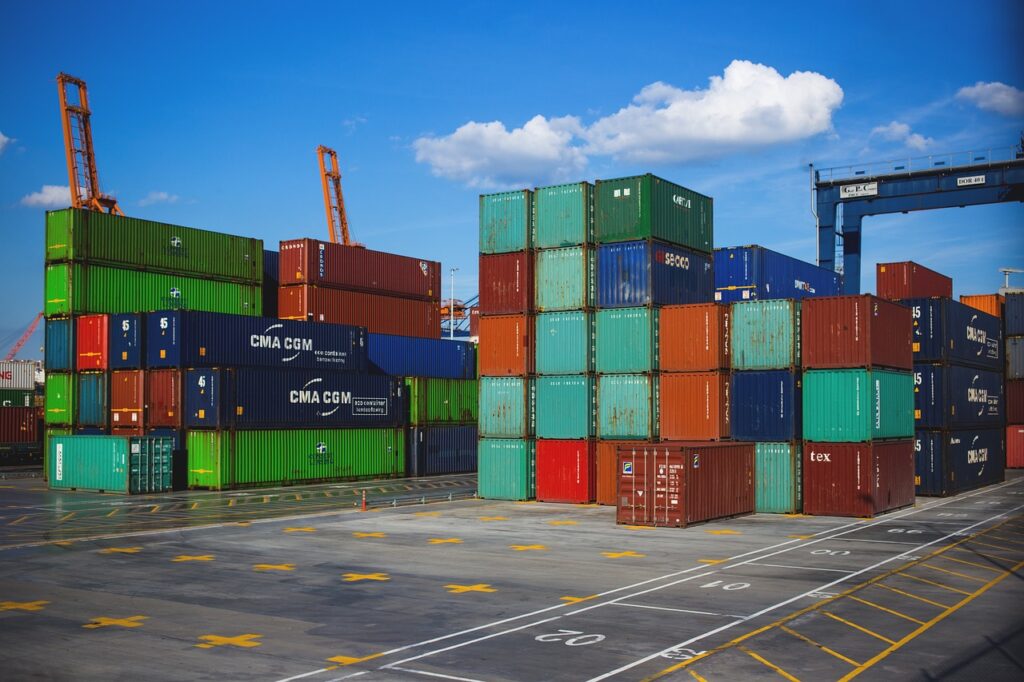
India-US Tariff Clash: Resilience of Indian Economy in 2025
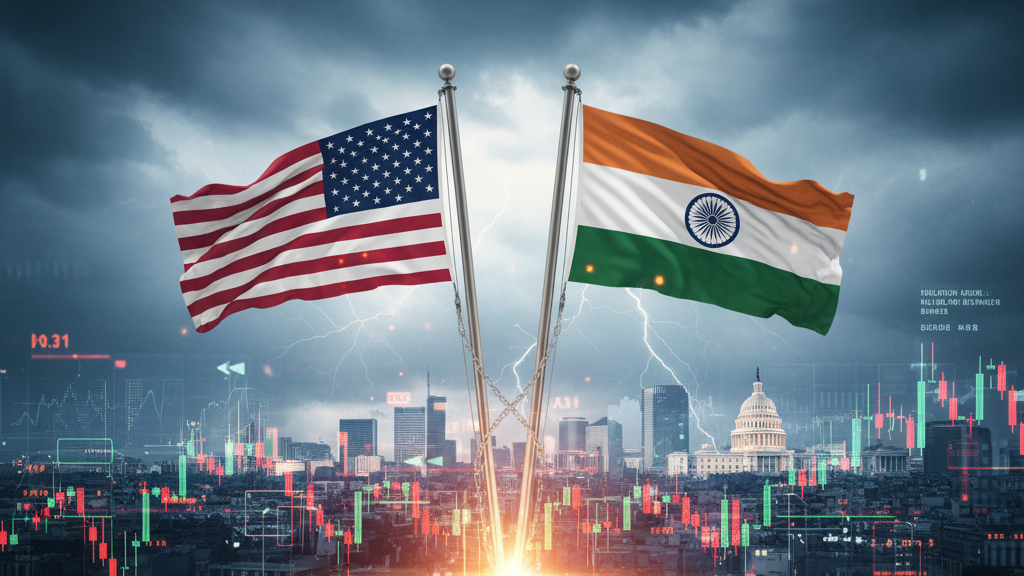
The US tariff hikes on Indian products in 2025 mark a pivotal point in global trade, disrupting decades of economic engagement and sending ripples across industries and governments alike.
Partnership to Trade Conflict
The relationship between India and the US has witnessed dramatic ebbs and flows, moving from years of trade expansion to today’s aggressive tariff measures. The long road to 2025 was shaped by several factors: rising deficits in America’s bilateral trade, Indian import policies resistant to overseas penetration, and growing US frustration over what it calls India’s “unfair” trade barriers. The final catalyst came with geopolitical disagreements, especially India’s ongoing purchases of Russian oil despite US-led sanctions, prompting a string of executive orders culminating in the current tariff regime.
Rationale for US Tariff
- Balance of Trade: US policymakers cite a persistent trade deficit with India as an unsustainable situation, advocating that higher tariffs will level the economic playing field.
- Reciprocity and Market Entry: The US maintains Indian markets are historically difficult for foreign entrants, hindered by high domestic duties and regulatory barriers.
- Geopolitical Leverage: India’s ties with Russia, especially related to energy and defense, triggered additional tariffs explicitly as a form of diplomatic pressure.
The White House framed the move as necessary for fair competition and for protecting American jobs in critical industries.
New US Tariff Reality: Scope and Implementation
Effective August 27, 2025, most Indian goods entering the US became subject to tariffs totaling as much as 50%—the highest such rate India has ever faced from America. Under the revised rules, exporters are impacted as follows:
- Regular duties now combine baseline rates plus an additional 25% under special tariff codes.
- Certain sectors (pharmaceuticals, electronics, energy resources, critical minerals, steel, autos, humanitarian aid, and informational items) are spared or see minimal increases.
- A grace window exists for in-transit shipments; otherwise, nearly all goods are affected.
Goods once taxed at just 0.5% to 10% now encounter compounded barriers, leading many exporters to recalculate the viability of US-bound trade.
Cross-Border Comparison: US Tariffs Across Major Economies
India and Brazil now top the US tariff table at 50%—a dramatic surge compared to previous years. For context, other nations’ rates have evolved as follows:
| Country | 2025 US Tariff (%) |
|---|---|
| India | 50 |
| Brazil | 50 |
| Myanmar | 40 |
| Switzerland | 39 |
| South Africa | 30 |
| China | 30 |
| Vietnam | 20 |
| Bangladesh | 20 |
| Japan | 15 |
| European Union | 15 |
India’s tariffs thus stand far above the global average. Before these hikes, India’s own typical import rates for comparable US goods fell between 10-20%. The escalation leaves Indian exporters at the highest competitive disadvantage among major trading countries.
Search for a Middle Ground
Efforts to avert this tariff crisis featured multiple rounds of negotiations:
- India argued for the protection of its farmers and MSMEs, refusing to open up sensitive agricultural markets or reduce non-tariff barriers under pressure.
- US negotiators linked tariff reductions to increased access for American dairy, agriculture, and tech products and a rollback in Indian purchases of Russia.
Despite diplomatic channels remaining open, a mutually agreeable solution has proved elusive as each side clings to its core interests and red lines.
Sectoral Shockwaves: India’s Export Industry at Risk
The tariff spike is projected to impact roughly $48–$87 billion of Indian exports annually. Among the most vulnerable sectors are:
- Textiles, leather, and apparel.
- Gems, jewelry, and marine products.
- Engineering goods, chemicals, and auto components.
Around half of India’s merchandise export basket to the US now confronts steep price disadvantages.
The US remains one of India’s leading export destinations, and sudden loss of competitiveness could trigger job losses, profit squeezes, and supply chain disruptions.
Government Response: India’s Multi-Layered Strategy
India’s government has launched several initiatives aimed at cushioning the economic blow:
- Market Diversification: Exporters are receiving support to access new and emerging markets beyond North America, especially in Southeast Asia, the Middle East, and Africa.
- Support for MSMEs: Policy incentives, tax relief, and loan schemes are being expanded to help manufacturing small businesses adapt and survive.
- Negotiations and Diplomacy: India is still pushing for new talks while seeking to demonstrate openness to limited US market entry for select products as the price of de-escalation.
- Domestic Market Expansion: Government programs encourage consumption of Indian-made products at home, offsetting export losses through internal demand.
- Innovation and Self-Reliance: The crisis has deepened the focus on building indigenous supply chains and boosting R&D investments for long-term strength.
Mitigation vs. Retaliation: India’s Options Forward
While India condemns the tariffs and seeks constructive talks, aggressive retaliation remains off the table so far. Options under consideration include:
- Selective Tariff Adjustments: Easing barriers for American goods in non-critical sectors to gain some relief on the most injurious US duties.
- Formal Complaints: Taking the case to the World Trade Organization and seeking to galvanize support from other affected economies.
- Strategic Patience: With US domestic politics and economic realities in flux, India may “wait-and-watch” to exploit any future policy reversals or trade realignments.
The American View: Balancing Security, Fairness, and Domestic Gain
US leadership has championed these tariffs as a bold stand in defense of domestic jobs, fair competition, and international leverage. Explicitly referencing geopolitical strains—especially over Russian imports—Washington’s policy mixes economic motivations with national security arguments, hoping to pressure India into alignment.
Turning Headwinds into Opportunity
The 2025 US tariff regime on Indian goods confronts both countries with hard choices and fresh diplomatic tests. In the immediate term, Indian exporters brace for losses and volatility, while the government scrambles to shield its most vulnerable sectors. Yet within the adversity lies a chance: to accelerate indigenous manufacturing, deepen global trade ties, and craft a sustainable response that aligns India’s growth with its strategic autonomy.
India’s challenge now is to navigate these cross-currents shrewdly—using negotiation, innovation, and partnership to not just weather the storm, but emerge more resilient in a recalibrated world order.