
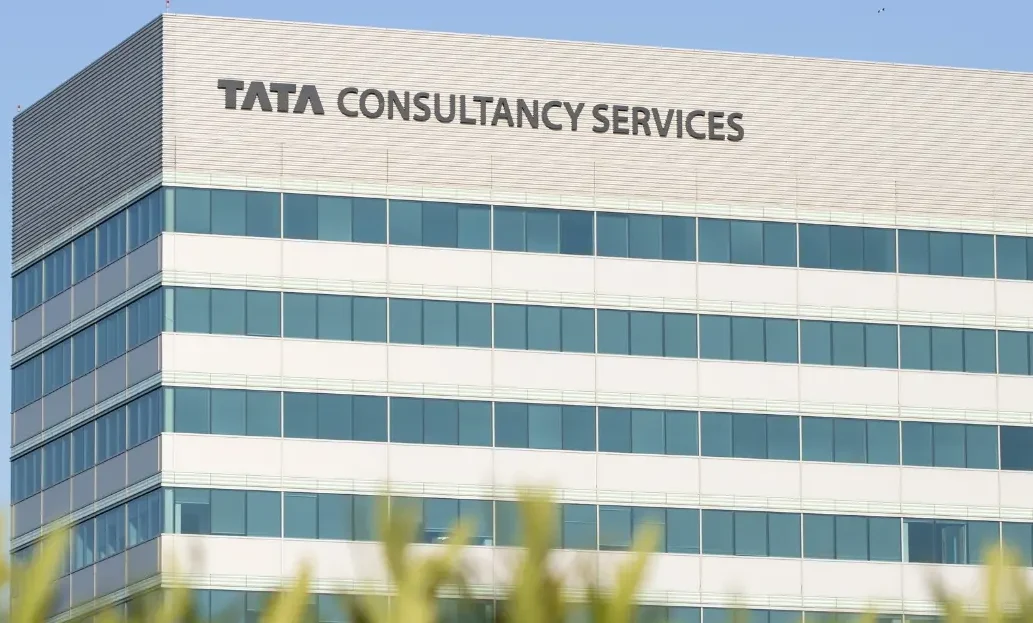
TCS Under Fire: Silent Layoffs, Loud Protests, and the “Fluidity” Controversy

Almost a year after the loss of Ratan Tata, the revered leader whose name became synonymous with integrity and empathy in Indian industry, Tata Consultancy Services (TCS) finds itself at the heart of an uncomfortable debate. The IT services giant, long held up as a model employer, has announced a workforce restructuring drive that has quickly spiraled into a storm of allegations, protests, and questions about employee dignity.
A Disputed Set of Numbers
TCS officially disclosed that it would be letting go of around 2% of its global employees—roughly 12,000 people. The company has presented this as a measured adjustment in response to shifting demand, tighter client budgets, and the rapid transformation brought by new-age technologies such as automation and AI. By TCS’s narrative, this is not a sweeping retrenchment but a modest recalibration of resources to align with future priorities.
But unions and industry insiders tell a different story. Worker collectives claim the actual number of exits could be substantially higher—potentially 30,000 if factors like forced resignations, performance-linked removals, and coerced early retirements are included. It is this gap between what has been publicly stated and what employees and unions allege that has fueled unrest. For many within the organization, the lack of clarity has been as distressing as the job losses themselves.
The Shadow of the “Fluidity List”
One issue that has particularly riled employees is talk of an internal categorization referred to informally as the “Fluidity List.” Allegedly, this internal tool flags employees considered at risk of separation. Reports suggest that those placed on this list often find projects drying up, promotions stalled, and opportunities within the company withheld. While performance management and workforce planning are common in large organizations, critics argue that the practice has taken on an opaque, almost punitive tone in this case.
For those caught in the system, the consequences can be demoralizing. Rather than being given explicit notice, employees speak of being nudged out through a lack of opportunities and subtle signals of expendability. The concern is not only about job loss but also the erosion of dignity and the uncertainty of being placed in professional limbo.
Voices from the Ground
The discontent has not remained confined within office walls. Demonstrations have been witnessed across major IT hubs including Bengaluru, Pune, Hyderabad, and Chennai. Chants for transparency, fairness, and an end to “silent layoffs” have become emotionally charged rallying points. In digital spaces, former and current employees have begun sharing personal stories of abrupt terminations, unacknowledged contributions, and the emotional toll of being treated as numbers in a restructuring exercise.
These protests are not mere resistance to corporate rationalization. At their core, they reflect a growing demand for companies—especially those that have historically marketed themselves on values of care and stability—to match actions with words.
TCS : A Legacy on the Line
The timing of these developments is significant. For decades, the Tata Group has been associated with ethical leadership. Ratan Tata embodied the conviction that businesses thrive not just by delivering profits but by upholding fairness and trust. Under his stewardship, Tata companies consistently cultivated an image of being people-centric.
Today, TCS confronts a moment that could reshape how that legacy is remembered in the modern context. The corporate world accepts that technology firms must adapt to shifting landscapes, automate redundant roles, and restructure where necessary. But for a company seen as an ethical pioneer, the manner of execution is as important as the decision itself. A perception that employees are being quietly sidelined without transparency undermines the very foundation of goodwill the brand has been built upon.
A Wider Reflection for the IT Sector
The ripple effects go beyond TCS. India’s IT industry, employing millions and serving as the backbone of digital transformation globally, is entering a phase of upheaval. Global clients demand leaner operations. Artificial intelligence and cloud technologies are reshaping delivery models. Companies will inevitably need to reskill, redeploy, and in some cases downsize.
Yet, how India’s largest IT company handles its workforce challenges sets a precedent for others. If the tone of restructuring becomes one of disposability, the broader industry risks embedding a culture of insecurity. If, instead, employee dignity and transparency are preserved even in tough times, TCS could set a benchmark for humane adaptation in an age of digital disruption.
Possible Paths Forward
The choices before TCS are stark. Continuing simply with cost-cutting measures and minimal explanation may temporarily ease financial pressures but will deepen internal distrust and external criticism. Alternatively, the company can confront these challenges with openness and compassion.
Some concrete steps could include:
- Publishing clearer data on workforce adjustments to dispel speculation and rumors.
- Expanding reskilling programs that equip displaced employees with future-ready digital and AI skills.
- Assuring robust redeployment support across internal projects before termination is considered.
- Providing voluntary exit options that are accompanied by fair severance, mental health counseling, and career guidance.
- Building structured channels of dialogue with unions and employee forums rather than viewing them as adversaries.
These measures may not prevent all separations but can ensure that they are handled with respect and transparency, thereby preserving trust even in times of change.
Looking Ahead
For TCS, this moment is not just about workforce rationalization—it is about reconciling market realities with a legacy of values. The broader Indian workforce is watching, as are other corporate leaders, regulators, and global clients who associate Tata with stewardship rather than short-termism.
Almost a year after Ratan Tata’s passing, one guiding question echoes: can TCS adapt to the disruptive future of work without abandoning the Tata ethos of empathy and trust? If it manages to strike this balance, the company could emerge stronger, both in resilience and reputation. But if the process continues to be shrouded in ambiguity and coercion, the damage to its image may outlast any temporary cost savings.
In the end, the unfolding story at TCS is not only about jobs lost or preserved. It is about how one of India’s most storied companies chooses to honor its people at a turning point. And whether, in Ratan Tata’s absence, the values he championed remain a living force—or fade into a memory of what the Tata way once meant.